

Introduction
Exploring the differences between pigment and color
In the realms of art and science, pigment and color are pivotal yet distinct concepts. Pigment refers to materials that impart color by absorbing certain wavelengths of light and reflecting others. These substances, whether natural or synthetic, are fundamental in creating paints, inks, and dyes. In contrast, color is a perception formed when light interacts with an object and is interpreted by the human eye and brain. This interaction is crucial in art and design, guiding choices that evoke emotions and convey messages.
In art, pigments are chosen for their hue, opacity, and durability, which are essential for creating enduring masterpieces. Meanwhile, color theory informs design by influencing aesthetics and mood through strategic combinations and contrasts. In the digital realm, although screens utilize light instead of pigments, understanding color perception remains crucial. Professionals depend on color calibration to ensure visual consistency across devices.
Ultimately, the distinction between pigment and color is essential for appreciating and manipulating visual media. Pigments are physical substances that impart color, while color itself is an interpretive experience. Both elements are crucial for crafting impactful visual narratives across various fields. This understanding deepens our engagement with the visual world, enriching both artistic and technical pursuits.
The Importance of Understanding Color in Various Industries
Understanding color is crucial across various industries due to its profound impact on consumer behavior, brand identity, and aesthetic appeal. In marketing, color can influence a product’s perception, making it appear either more premium or more affordable. It can evoke emotions such as trust, excitement, or calmness, which can sway purchasing decisions. In design, color theory is essential for creating visually appealing and functional interfaces that effectively guide user experience. The fashion industry relies on color trends to set styles and define seasons, while the automotive industry uses color to convey luxury or sportiness. Even in the food sector, color can enhance appetite and signal freshness. In every field, from technology to healthcare, the strategic use of color can improve communication, brand recognition, and overall customer satisfaction. Therefore, a deep understanding of color is not just beneficial but often essential for success.
Overview of the Article’s Purpose and Structure
In conclusion, the distinction between pigment and color is not merely an academic exercise but a practical necessity across various industries. Understanding that pigments are physical substances that provide color through light absorption and reflection, while color is a perceptual phenomenon influenced by light interaction, is essential for making informed decisions in art, design, and manufacturing. This knowledge empowers professionals to select materials that enhance the vibrancy and longevity of their creations, ensuring that their artistic and functional objectives are achieved. By grasping these concepts, individuals can innovate and elevate their work, resulting in more impactful and enduring outcomes. I encourage readers to explore color theory and pigment properties further, as this exploration can unlock new possibilities and refine their craft, fostering both creativity and industry advancement.

What is a pigment?
Explaining What Pigment Is
A pigment is a substance that imparts color to other materials by absorbing specific wavelengths of light while reflecting others. In both art and science, pigments play a crucial role in defining the hue and tone of a medium. They are used to create paints, inks, and dyes and are vital in numerous industries, including painting, printing, and cosmetics. For example, natural pigments such as ochres are derived from minerals and have been used since ancient times, whereas synthetic pigments like phthalocyanine blue are created through chemical processes to offer a broader range of colors and greater stability. These pigments are essential in producing vibrant, lasting colors in various applications, from artworks and textiles to digital media and everyday products.
Types of pigments (natural vs. synthetic)
Pigments are primarily categorized into two types: natural and synthetic.
Natural Pigments: These pigments are derived from natural sources, including minerals, plants, and animals. Examples include:
Ochres are earth-based pigments known for their rich, earthy tones.
Charcoal: Produces rich blacks and grays, and is commonly used in artistic applications.
Plant-Based Dyes: Indigo and madder are examples of plant-based dyes that offer vibrant colors and have been historically used in textiles.
Synthetic Pigments: These pigments are produced through chemical processes, providing a broader spectrum of colors and enhanced stability. Examples include: Phthalocyanine Blue is renowned for its vibrant color and exceptional stability.
Titanium Dioxide: This compound imparts a bright white color and is commonly used in paints, coatings, and cosmetics.
Each type has its advantages and disadvantages, including color range, stability, and environmental impact. These types are utilized across various industries, such as art, cosmetics, and manufacturing.
Common uses in industries
Pigments are extensively utilized across various industries because of their capacity to impart color and other desirable properties. Below are some common applications of pigments in different sectors:
Graphic Arts: Pigments are utilized in paints, inks, and coatings to impart the desired color to objects while also enhancing their durability. These pigments are frequently combined with binders and other additives to formulate a paint or ink that can be effectively applied to various surfaces.
Plastics Industry: Pigments are added to plastics to alter their color or create a decorative effect. Additionally, they can enhance the weathering resistance and UV stability of the plastic.
Cosmetics: Pigments are utilized in lipsticks, eyeshadows, blushes, and other cosmetic products to impart color and opacity. Additionally, they can be employed to create various textures and effects in cosmetics.
Textiles: Pigments are utilized in the dyeing process to impart color to fabrics and other textiles. They offer vibrant hues and enhance the durability of the materials.
The construction industry utilizes pigments in mortar, concrete, and various other materials to enhance color and improve aesthetics. Additionally, these pigments can help protect the materials from weathering and other environmental factors.
The automotive industry utilizes pigments in coatings to achieve specific colors and gloss levels. Additionally, these pigments enhance the durability of the paint and improve its resistance to scratches and abrasion.

What is Color?
Definition of Color from Scientific and Visual Perspectives
Color is a visual perception that occurs when objects interact with light, absorbing, reflecting, or emitting it at various wavelengths. This interaction is interpreted by the human eye and brain, which perceive these wavelengths as distinct colors. Color plays a crucial role in art, design, and everyday life, significantly influencing emotions, decisions, and aesthetics. For instance, in art, color is employed to express mood and convey meaning, while in design, it creates visual impact and guides user experience. In everyday contexts, colors often carry specific cultural meanings and associations, such as red symbolizing passion or danger and green representing growth or nature. Understanding and effectively utilizing color can enhance communication and evoke specific responses.
Color Theory and Its Applications
Color theory encompasses the study of how colors interact, the visual effects they produce, and their psychological impacts. It includes concepts such as the color wheel, which categorizes primary, secondary, and tertiary colors, as well as color harmony, which involves complementary, analogous, and triadic color schemes. These principles are applied across various fields:
Art and Design: Artists and designers utilize color theory to create visually appealing and balanced compositions, enhancing user experience and ensuring aesthetic appeal.
Marketing and Branding: Color theory plays a crucial role in conveying brand identity and evoking specific emotions. For instance, green is often associated with eco-friendliness, whereas red can instill a sense of urgency.
Psychology: Colors have a significant impact on emotions and perceptions; for instance, blue often evokes feelings of calmness, while red tends to stimulate excitement.
These applications illustrate how color theory serves as a powerful tool for creating visuals that effectively communicate messages and evoke desired emotional responses.
The Emotional and Cultural Significance of Color
Colors carry profound emotional and cultural significance, influencing perceptions and behaviors in numerous ways.
Red: Emotionally, red is associated with passion, love, and excitement, but it can also signify danger and caution. Culturally, it symbolizes luck and prosperity in China, while in Western contexts, it is often linked to peril and romance. In marketing, red is employed to capture attention and stimulate desire, frequently appearing in sales promotions and clearance signs.
Blue:Evokes feelings of calmness, trust, and stability. It is widely used in corporate branding to convey reliability and professionalism. Culturally, blue can symbolize spirituality or protection in certain Middle Eastern cultures. Brands such as banks and technology companies utilize blue to instill confidence and security in their services.
Green: Symbolizes growth, nature, and renewal. It is frequently associated with eco-friendliness and health. In Western cultures, green is also linked to wealth and prosperity. Marketers often use green to promote products as natural or sustainable, a strategy commonly seen in branding for organic foods and environmental campaigns.
Yellow: Yellow is a color frequently associated with happiness, optimism, and warmth, yet it can also indicate caution. Culturally, yellow symbolizes courage in Japan and mourning in certain Latin American countries. In design, yellow is employed to attract attention and evoke cheerful emotions, as seen in children’s products and entertainment brands.
Black: Emotionally tied to sophistication, elegance, and authority, black is also associated with mourning and mystery. While it signifies luxury in Western fashion, it represents mourning in many Eastern cultures. High-end brands use black to convey premium quality and exclusivity.
Cultural contexts can significantly alter these emotional perceptions; for example, while white symbolizes purity and weddings in Western cultures, it is a color of mourning in some Eastern traditions. Understanding these nuances allows marketers and designers to strategically use colors to connect with audiences, align with cultural values, and effectively communicate intended messages.
Pigment vs. Color: Key Differences
Although pigment and color are often used interchangeably, they represent distinct concepts in the fields of art, science, and industry. Understanding the difference between them is crucial for industries like manufacturing, design, and marketing.
Summary of Key Differences Between Pigment and Color
| Aspect | Pigment | Color |
| Nature | Physical material | Visual perception |
| Function | Absorbs and reflects light to produce color | A result of how light interacts with the eye |
| Tangible/Intangible | Tangible (can be touched, used in products) | Intangible (a visual experience) |
| Durability | Can fade or change based on exposure | Can vary based on lighting conditions |
| Creation | Manufactured or extracted from natural sources | Can be created by light manipulation (without pigments) |
| Applications | Used in paints, inks, plastics, cosmetics, etc. | Used in design, branding, marketing |
1. Definition
Pigment: A material, usually in the form of a fine powder, that imparts color to other materials. Pigments are commonly used in products such as paints, inks, and plastics.
Color is a visual perception created by the brain when light interacts with the eye. It results from the way objects reflect or emit light across various wavelengths.
The key difference is that pigment refers to a substance, whereas color is the perception of that substance.
2. How They Work
Pigment: Works by absorbing specific wavelengths of light and reflecting others. The wavelengths that are reflected determine the color we perceive. For instance, a pigment that reflects red light and absorbs blue and green will appear red.
Color is the result of light interacting with our visual system. Color can exist without pigments—such as when light itself is manipulated, like in digital screens, where colors are produced through the manipulation of light rather than the use of pigments.
The key difference is that pigments physically create color by modifying light absorption and reflection, whereas color is the brain’s interpretation of those light reflections.
3. Physical vs. Visual Concepts
Pigment: A tangible, physical substance that can be applied to objects or surfaces. It influences the material’s properties, including opacity, sheen, and durability.
Color is a perceptual experience that is intangible and dependent on both the light source and the observer’s vision. For instance, the same pigment can appear differently under varying lighting conditions, such as daylight compared to artificial light.
The key difference is that pigment refers to a material, while color is a sensory experience.
4. Durability and Stability
The quality of a pigment significantly influences the longevity and stability of the color it produces. For instance, certain pigments may fade or alter in color when exposed to sunlight or chemicals. High-quality pigments, such as those used in special effects (e.g., pearlescent and chameleon pigments), are specifically engineered to be more stable and resistant.
The perception of color can vary based on lighting conditions, the surrounding environment, or even the viewer’s perspective (for example, color shifting in iridescent materials).
The key difference is that pigment durability influences how long a material retains its color, while color perception can change instantly based on external factors.
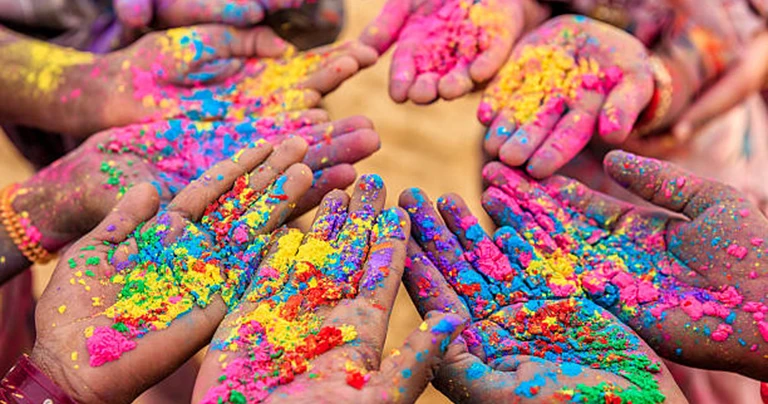
Applications of Pigments in Industries
Pigments play a crucial role across various industries due to their ability to impart color, enhance aesthetics, and improve the functional properties of products. Different types of pigments are selected based on their characteristics like durability, vibrancy, opacity, and special effects. Below are some key industries where pigments are extensively used:
|
Industry |
Application |
|
Paints and Coatings |
Architectural paints, automotive finishes, protective coatings |
|
Plastics |
Packaging, consumer goods, automotive parts |
|
Cosmetics |
Makeup, hair dye, nail polish |
|
Textiles |
Fabric dyeing, special effect textiles |
|
Construction |
Colored concrete, ceramic tiles |
|
Automotive |
Exterior automotive coatings, interior components |
|
Food and Pharma |
Food coloring, pharmaceutical coatings |
|
Printing Inks |
Packaging, textile printing, digital printing |
Pigments serve not just to color materials but also to enhance their aesthetic, functional, and performance properties. Whether in consumer goods, industrial products, or high-end applications, selecting the right pigment is key to creating long-lasting, visually appealing products.
Conclusion
Recap of key differences between pigment and color
Pigments are physical substances that impart color to materials by absorbing certain wavelengths of light and reflecting others. They are used in industries like art and manufacturing to create specific hues in products such as paints and dyes. In contrast, color is the visual perception resulting from the interaction of light with an object, influenced by the object’s pigments. It is a sensory experience perceived by the human eye and brain, representing the wide array of colors we see in the world.
Suggestions for further reading and exploration
If you’re interested in further reading and exploring the topic of pigments and their applications, here are some suggestions for resources that may be of interest:
Books:
“Interaction of Color” by Josef Albers: A classic text on color theory and perception.
“Color: A Natural History of the Palette” by Victoria Finlay: Explores the history and cultural significance of colors.
Online Courses:
Coursera’s “Introduction to Color Theory”: Offers a foundational understanding of color principles.
Skillshare’s “Color Theory for Artists and Designers”: Practical applications of color theory in creative fields.
Contact us to learn more about their products, including their properties, applications, and how they are used in different industries. As a leading pigment company with years of industry experience and a highly skilled technical team, we are your go-to partner for all your pigment needs. Whether you’re looking to enhance your products’ visual appeal or require specialized solutions, our expertise ensures you receive the best quality and service. Don’t hesitate—reach out to us today for a consultation and discover how we can bring your vision to life with our tailored pigment solutions. Let’s create something vibrant together!