
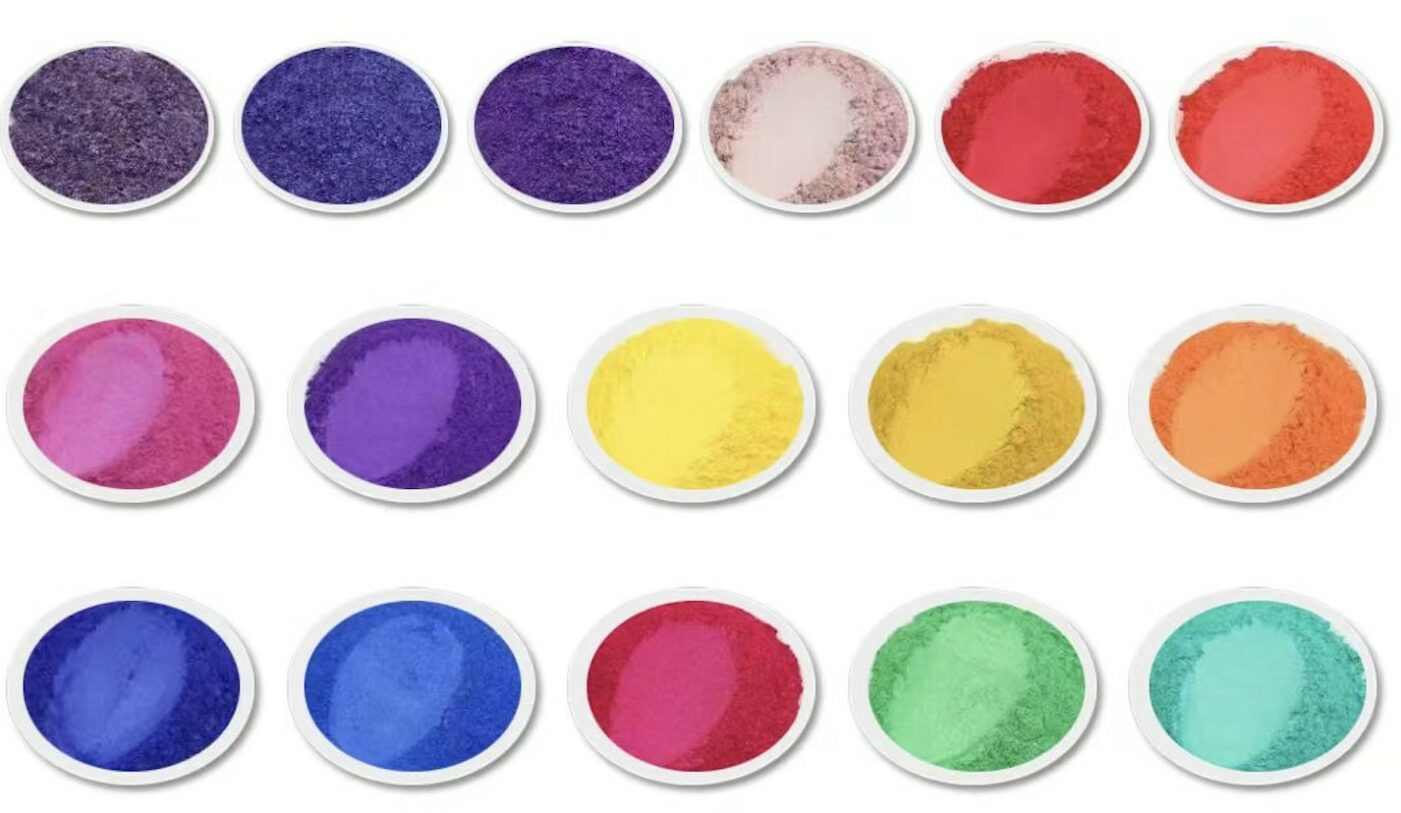
Introduction
What Are Pigments?
Pigments are specialized colorants that impart vibrant and long-lasting hues to a wide range of materials. Unlike dyes, which dissolve in their application medium, pigments are insoluble and disperse uniformly, maintaining their color intensity over time. They are formulated to withstand various environmental conditions, resisting fading due to exposure to light, heat, or chemicals. Commonly used in paints, plastics, inks, cosmetics, and ceramics, pigments play a pivotal role in aesthetics and functionality, enhancing the visual appeal and durability of products. Their versatility allows manufacturers to achieve desired color effects, meeting specific requirements across diverse industries.
Overview of the article’s main content
This article serves as a comprehensive resource for B2B clients looking to understand the various types of pigments available on the market. It covers both organic and inorganic pigments, as well as special effect pigments like pearlescent, chameleon, and metallic pigments, which are highly valued in industries such as automotive, cosmetics, and packaging. The guide not only introduces the characteristics and applications of each pigment type but also provides practical advice on how to choose the right pigments for your business needs.
Types of Pigments and Their Applications
Overview and characteristics of Pigments
Pigments are coloring agents widely used in various industries to impart vibrant and long-lasting hues to materials. They are insoluble particles that disperse uniformly, providing intense and stable colors. Pigments are available in a broad spectrum, including inorganic, organic, and specialty types, each with unique properties and applications. Inorganic pigments, known for their durability, are often used in exterior paints, while organic pigments offer bright hues for printing inks and plastics. Specialty pigments, such as metallic and pearlescent, add unique visual effects. Pigments are also selected for their compatibility with the application medium and desired performance attributes like opacity and fade resistance.
Inorganic Pigments
Inorganic pigments are coloring agents made from inorganic compounds. These pigments exhibit several notable characteristics and find applications in various industries. Here’s an overview of inorganic pigments and their uses:
Characteristics of Inorganic Pigments:
Durability: Inorganic pigments are known for their exceptional stability and durability. They can withstand high temperatures and resist fading, making them suitable for long-term outdoor use.
Chemical Resistance: These pigments are resistant to chemical reactions, ensuring color stability even in environments exposed to various chemicals.
Lightfastness: Inorganic pigments maintain their color even under prolonged exposure to sunlight or strong light sources.
Applications of Inorganic Pigments:
Paints and Coatings: Due to their durability and lightfastness, inorganic pigments are commonly used in exterior paints and coatings for buildings, automobiles, and other outdoor structures.
Ceramics and Glass: In the ceramics and glass industries, inorganic pigments provide vibrant colors to tiles, pottery, and glassware.
Printing: They are also utilized in the printing industry, especially for outdoor advertising and packaging, where color stability is crucial.
Plastics and Rubber: Inorganic pigments are used to color plastics and rubber products, enhancing their aesthetic appeal and durability.
Organic Pigments
Organic pigments are coloring agents derived from organic compounds, offering a wide range of hues with high tinting strength and brightness. These pigments play a crucial role in various industries due to their unique properties and versatile applications. Here’s a detailed overview of organic pigments and their uses:
Characteristics of Organic Pigments:
Variety of Colors: Organic pigments provide an extensive palette of colors, enabling manufacturers to create products with vibrant and precise hues.
High Tinting Strength: These pigments exhibit strong tinting ability, meaning they can impart intense color to materials even at low concentrations.
Brightness and Saturation: Organic pigments are known for their brightness and color saturation, enhancing the visual appeal of products.
Applications of Organic Pigments:
Printing Industry: Organic pigments are widely used in printing inks, especially for high-quality publications, packaging, and advertising materials. Their strong tinting strength and bright colors ensure vibrant and long-lasting prints.
Paints and Coatings: These pigments are essential components in paints and coatings for buildings, automobiles, and other surfaces. They provide excellent color coverage, durability, and resistance to fading.
Plastics and Rubber: Organic pigments are used to color plastics and rubber products, ranging from household items to automotive parts. Their brightness and stability enhance the aesthetic and functional properties of these materials.
Cosmetics: Many cosmetics, including lipstick, eyeshadow, and blush, contain organic pigments for their vibrant colors and safe use on skin.

Special Effect Pigments
Pearlescent Pigment
Pearlescent pigments are a special type of pigment that impart a pearly or iridescent effect to various materials. These pigments are widely used in a range of applications due to their unique visual properties. Here is a detailed overview of pearlescent pigments and their applications:
Key Characteristics:
Iridescence: Colors change based on the viewing angle.
Luster: Produces a soft, pearl-like glow.
Transparency: Can enhance the underlying color of the substrate.
Applications of Pearlescent Pigments:
Cosmetics: Pearlescent pigments are commonly used in cosmetics to create a shimmery, glowing effect. They are found in products such as eyeshadows, lipsticks, nail polishes, and foundations, adding a luxurious and elegant touch.
Paints and Coatings: These pigments are also used in paints and coatings, particularly for automotive and industrial applications. They provide a unique and attractive finish, enhancing the aesthetic appeal of the coated surface.
Plastics: In the plastics industry, pearlescent pigments are utilized to create decorative and functional effects. They can be incorporated into various plastic products such as packaging materials, consumer goods, and automotive parts.
Printing: The printing industry also benefits from the use of pearlescent pigments. They are used in inks to create eye-catching designs and add a touch of elegance to printed materials such as brochures, posters, and labels.
Chameleon Pigment
Chameleon pigments are a type of high-tech synthetic inorganic pigment that exhibit changing colors and a strong color flowing effect when viewed from different angles. These pigments are compounded by multiple inorganic oxide materials, offering a wide range of color shifts and particle sizes to cater to diverse applications and customer needs.
Key Characteristics:
Color-shifting: The color changes as the viewing angle or light direction changes.
High chromaticity: Produces vibrant, saturated colors.
Smooth metallic effect: Adds depth and richness to surfaces.
Applications of Chameleon Pigments:
Cosmetics: Chameleon pigments are widely used in the cosmetics industry, particularly in products such as eyeshadow, nail polish, and lipstick. They add a unique and eye-catching color-changing effect, enhancing the beauty and allure of these products. For instance, eyeshadows with Chameleon pigments can shift from one color to another, creating a mesmerizing look.
Automotive Coatings: In the automotive industry, these pigments are incorporated into car paints to provide a special visual effect. They can give car coatings a unique color shift, adding depth and dimension to the vehicle’s appearance. This not only enhances the aesthetic value of the car but also makes it stand out on the road.
Plastics and Coatings: Chameleon pigments are also suitable for use in plastics and various coating applications. They can be added to plastics during manufacturing to create products with a color-changing finish. Similarly, in coatings, these pigments can be used to create walls, furniture, or other surfaces with a dynamic and interactive color effect.
Other Industries: Besides cosmetics, automotive, and plastics, Chameleon pigments also find applications in other industries such as leather, inks, and high-security printing. For example, they can be used in the production of banknotes and negotiable securities to add an extra level of security through their color-shifting properties.
Aluminum Pigment
Aluminum pigment is a type of metallic pigment that is widely used in various industries due to its unique properties. Here is a detailed overview of aluminum pigment and its applications:
Key Characteristics:
High reflectivity: Produces a shiny, metallic or mirror-like appearance.
Corrosion resistance: Aluminum flakes are resistant to oxidation, making them ideal for protective coatings.
Versatility: Can be used in liquid or powder form for a range of applications.
Applications of Aluminum Pigment:
Paints and Coatings: Aluminum pigments are commonly used in paints and coatings to provide a metallic finish and enhance the aesthetic appeal of surfaces. They are suitable for both indoor and outdoor applications due to their durability and weather resistance.
Plastics Industry: In the plastics industry, aluminum pigments are utilized to improve the appearance and functionality of plastic products. They can be incorporated into plastic resins during the manufacturing process to create metallic-looking plastic parts and components.
Personal Care Products: Aluminum pigments are also used in personal care products, such as cosmetics and nail polishes, to add a shimmery or metallic effect.
Printing Industry: In the printing industry, aluminum pigments are employed in screen printing and other printing processes to achieve a metallic finish on printed materials.
Automotive Industry: The automotive industry utilizes aluminum pigments in car paints and coatings to enhance the appearance of vehicles and provide protection against corrosion.
Diamond Effect Pigment
Diamond effect pigment is a specialized type of pigment that imparts a unique, sparkling, and three-dimensional diamond-like appearance to various materials. This pigment is typically composed of synthetic mica flakes or glass substrates coated with metallic oxides, creating a highly refractive and reflective surface.
Key Characteristics:
High sparkle and reflectivity: Produces a glittering, diamond-like effect with a high gloss.
Transparency: Can be applied over different colors to enhance the underlying surface with a shimmering effect.
Durability: Resistant to weathering and UV degradation, making them suitable for both interior and exterior applications.
Applications of Diamond Effect Pigment:
Cosmetics: Diamond effect pigment is widely used in cosmetics, especially in eye shadows, lip glosses, and nail polishes. It adds a luxurious and glamorous sparkle, enhancing the overall aesthetic appeal of the product.
Plastics and Coatings: In the plastics industry, this pigment is incorporated into polymer matrices to create decorative and functional surfaces with a diamond-like finish. It is also used in coatings for automotive, architectural, and industrial applications to impart a high-end and durable sparkle effect.
Printing and Packaging: Diamond effect pigment is utilized in printing inks and packaging materials to create visually appealing and attention-grabbing designs. It adds a touch of elegance and luxury to high-end packaging and promotional items.
Crafts and Artwork: Artists and crafters often use diamond effect pigment in their creations, such as paintings, sculptures, and decorative items. Its unique optical properties allow for the creation of stunning visual effects and add depth and dimension to the artwork.

Selection and Evaluation of Pigments
Selecting appropriate pigment types based on B2B client needs
Selecting appropriate pigment types based on B2B client needs involves several considerations to ensure that the chosen pigments meet the specific requirements of the client. Here are the steps to follow:
Understanding Your Needs:
Before selecting pigments, it is essential to understand the client’s needs and requirements. This includes determining the application, such as for paints, cosmetics, plastics, or other industries. Also, inquire about the desired color, finish, and any specific performance requirements like durability or weather resistance.
Pigment Properties and Availability:
Assess the available pigment types and their properties. Consider factors like color strength, opacity, dispersibility, and compatibility with the medium or substrate. Also, consider the availability of the pigments and their cost-effectiveness based on the client’s budget.
Matching Pigment Types with Client Needs:
Based on the client’s needs and the available pigment properties, match appropriate pigment types. For example, if the client requires a highly durable and weather-resistant finish for exterior paints, select pigments that offer these properties. For cosmetics, consider pigments that provide a natural or vibrant color with good skin compatibility.
Technical Support and Consultation:
If needed, seek technical support and consult with pigment experts or manufacturers to understand their recommendations and provide expert advice on the best pigment types for the client’s application. They can offer insights into specific pigment types that may not be widely known but are suitable for the client’s needs.
In summary, selecting appropriate pigment types based on B2B client needs requires a thorough understanding of the client’s requirements, assessing available pigments and their properties, matching them with specific needs, seeking technical support if needed, conducting sample testing, and providing feedback and follow-up until satisfaction is achieved. This approach ensures that the selected pigments meet the client’s expectations and provide value for their application.
Factors to consider when choosing a pigment supplier
When choosing a pigment supplier, consider the following factors:
Quality: Ensure the supplier offers high-quality pigments that meet industry standards and client requirements.
Reputation: Look for suppliers with a good reputation in the industry who provide reliable and consistent products.
Price: Consider the cost-effectiveness of the pigments offered by the supplier to ensure they fit within your budget.
Delivery and Service: Evaluate the supplier’s delivery capabilities and customer service to ensure timely and efficient support.
In summary, choose a pigment supplier who provides high-quality products, has a good reputation, offers competitive pricing, and provides timely and efficient delivery and service.
Evaluation methods and steps
Evaluation methods and steps for pigment selection typically involve several processes to ensure that the selected pigments meet the desired performance criteria and client requirements. Here are some evaluation methods and steps:
Sample Testing:
Prepare small-scale samples using the selected pigments.
Test the samples in a controlled environment to assess their color, consistency, and other visual properties.
Evaluate the pigment’s performance in terms of durability, weather resistance, and other required properties.
Performance Comparison:
Compare the performance of different pigments under similar conditions.
Consider factors like color strength, opacity, and dispersibility to assess which pigment offers the best performance.
Compare the results with industry standards or client requirements to determine if the pigments meet the desired performance level.
Compatibility Testing:
Test the compatibility of the pigments with the substrates or mediums to ensure a smooth and consistent application.
Conduct compatibility tests by mixing the pigment with the substrate or medium and assessing its mixing properties, such as dispersibility and stability.
Feedback and Client Input:
Gather feedback from the client regarding the sample testing and performance comparison.
Take into account any specific requirements or preferences provided by the client to make adjustments or modifications if necessary.
These evaluation methods and steps help in selecting pigments that meet the desired performance criteria and client requirements. It is important to conduct thorough testing and gather feedback to ensure that the final selection of pigments provides value for the client’s application.
Conclusion
Summary of the article’s content
In this article, we have discussed the various types of pigments available and how B2B buyers can make better choices based on their product needs. Pigments, ranging from organic to inorganic, play a crucial role in coloring and enhancing the appearance of products. By selecting the appropriate pigment type, B2B buyers can ensure product quality, performance, and market competitiveness, thereby meeting the needs and expectations of their customers. Ultimately, this process of selecting pigments helps B2B buyers to make wise investments in their products and achieve successful business outcomes.

Offer a consultation or product samples
Looking for Unique, High-Quality Special Effect Pigments?
At LEIO, we specialize in special effect pigments that are designed to meet the diverse and unique needs of B2B buyers. Whether you’re seeking metallic, pearlescent, chameleon, or diamond effect pigments, our dedicated technical team is ready to help you achieve your vision with customized solutions.
We are committed to providing top-tier quality products, backed by our strict product inspection and comprehensive lab testing to ensure consistent performance. Our team is always available to support your business with personalized pigment options that enhance both aesthetic appeal and functionality.
Contact us today to discuss your needs, request samples, or learn more about how our high-quality pigments can elevate your products.