
Introduction to Diamond Effect Pigments
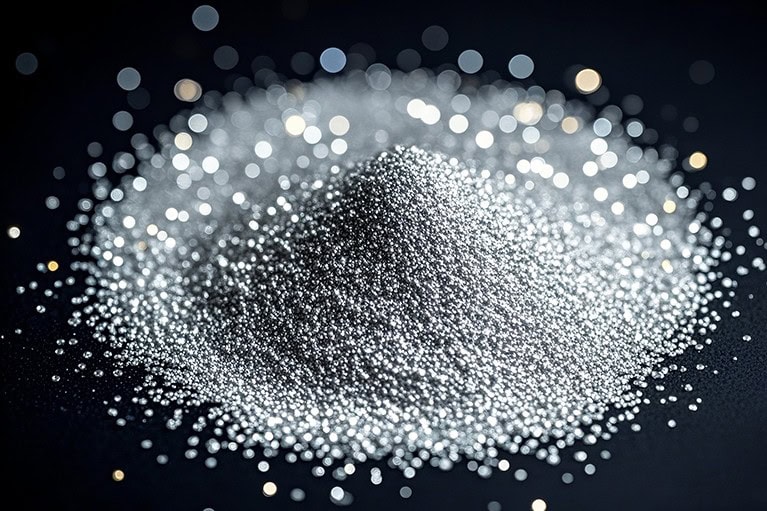
Diamond effect pigments have recently become a popular choice in various industries due to their striking diamond-like luster and exceptional aesthetic appeal. These unique pigments have captured the attention of industries worldwide, offering a sparkle that rivals the real thing. In this article, we will explore what diamond effect pigments are, their characteristics, composition, and manufacturing process, as well as their applications and advantages in different industries.
What Are Diamond Effect Pigments?
Definition and composition of diamond effect pigments
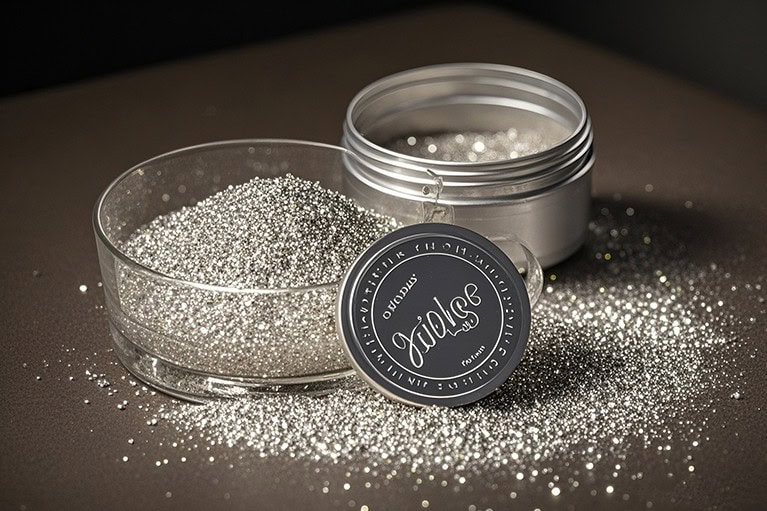
Diamond effect pigments are a type of specialty pigment known for their ability to mimic the light reflection and refraction characteristics of a diamond. These pigments are designed to create a sparkling effect that resembles the fire and brilliance of a diamond, offering a unique visual appeal in various applications.
The composition of diamond effect pigments varies depending on the manufacturer and the desired end product. However, typically, they are composed of the following main components:
Base Materials: The base materials used in diamond effect pigments are usually highly reflective and have excellent weather resistance. These materials provide the initial sparkling and reflective properties that give the pigments their unique appearance.
Metal Powders: Metal powders, such as aluminum or silver, are often used in diamond effect pigments. These metal powders add a metallic luster and reflectivity to the pigments, enhancing their sparkling effect.
Special Additives: To achieve the desired diamond effect, special additives are often used during the manufacturing process. These additives can include resins, polymers, or other chemicals that enhance the reflective properties and durability of the pigments.
Carrying Vehicle: The carrying vehicle is a binder or carrier that helps disperse and stabilize the pigments in their final application. It ensures that the pigments can be evenly distributed and applied to the desired surface without clumping or settling.
How they different from other types of pigments (e.g., pearlescent, metallic)
Diamond effect pigments are distinguished from other types of pigments, such as pearlescent and metallic pigments, by their unique properties and the way they interact with light. Here’s how they differ:
Interaction with Light:
Diamond Effect Pigments: These pigments mimic the light reflection and refraction characteristics of a diamond, creating a three-dimensional sparkle. They are designed to reflect and refract light in a way that replicates the fire and brilliance of a diamond.
Pearlescent Pigments: Pearlescent pigments, often based on mica, silica, or alumina flakes, simulate the luster of natural pearls and give materials additional color effects, such as angular color dependence
. They produce an effect through the reflection and interference of light on thin layers, platelets, or flakes.
Metallic Pigments: Metallic pigments, such as aluminum flake pigments, consist of platelet-like metallic particles that reflect light in a specular fashion, acting like small mirrors and leading to a reflecting metal luster.
Color and Sparkle:
Diamond Effect Pigments: Offer a super sparkling effect with clean, high chroma colors, providing a vibrant and intense visual experience.
Pearlescent Pigments: Create color effects that are dependent on the viewing angle because the two complementary beams respectively dominate at different viewing angles.
Metallic Pigments: When absorption colorants are added, the metallic flakes, being opaque, do not allow light to penetrate, and the colors are subdued.
Transparency and Depth:
Diamond Effect Pigments: Can provide a sense of depth due to their interaction with light, similar to the play of light seen in a diamond’s facets.
Pearlescent Pigments: Also offer a sense of depth and color changes at different viewing angles, which make them different from metallic flake pigments.
Metallic Pigments: The aluminum flakes are opaque to light; no light is transmitted, so there is no sense of depth as with pearlescent pigments.
Application and Performance:
Diamond Effect Pigments: Used where a high-end, luxurious finish is desired, adding a touch of glamour to fabrics, plastics, and coatings.
Pearlescent Pigments: Used for their unique optical properties, such as dependence of color on the viewing angle and crystal-like effects, in applications ranging from plastics and car coatings to the cosmetic field.
Metallic Pigments: Used in all relevant application systems such as coatings, paints, plastics, artist paints, cosmetics, printing inks, and more for their metallic effect color or functional properties like anti-corrosion, heat resistance, and conductivity.
Applications of Diamond Effect Pigments
Coating Industry Applications
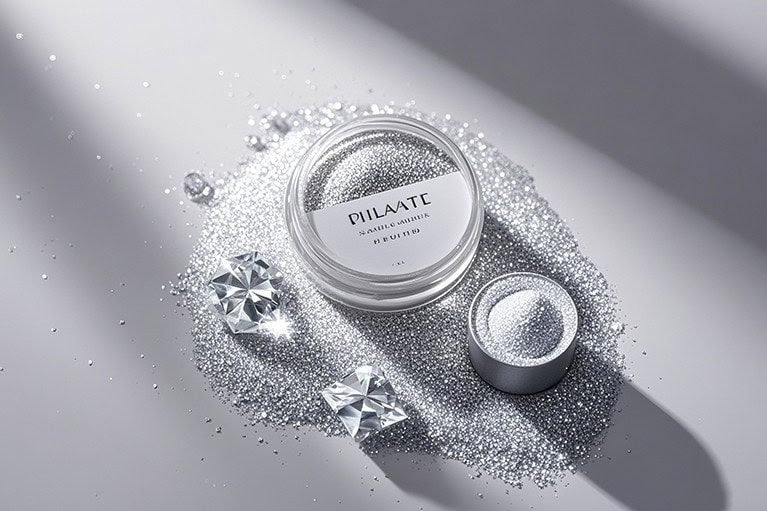
In the coating industry, diamond effect pigments have found numerous applications, primarily due to their distinctive reflective and captivating properties. Here are some of the key applications of diamond effect pigments in the coating industry:
Architectural Coatings: Diamond effect pigments are often used in architectural coatings, such as exterior wall paints and coatings for buildings and other structures. These pigments add a luxurious and shiny appearance to the coatings, enhancing the visual appeal of buildings and making them more attractive.
Automotive Coatings: Car manufacturers frequently use diamond effect pigments in their vehicle coatings to add a sparkling and luxurious look. These pigments can enhance the overall appearance of a car, making it more eye-catching and stand out from the crowd.
Powder Coatings: Diamond effect pigments are also used in powder coatings, which are applied to various substrates like metal, plastic, and wood. These pigments add a high-end and decorative finish to the coatings, enhancing their durability and aesthetic appeal.
Industrial Coatings: In industrial applications, diamond effect pigments can be used to enhance the corrosion resistance and aesthetics of various industrial components and equipment. These pigments provide a protective layer that not only enhances the appearance but also offers protection from wear and tear.
Specialty Coatings: Besides traditional coatings, diamond effect pigments are also used in specialty coatings for specific applications. For example, they can be used in anti-slip coatings to add a sparkling effect while providing slip resistance. Additionally, these pigments can be used in self-cleaning coatings to enhance their performance and durability.
Other industries (such as printing ink, paper, etc.)
Beyond the coating industry, diamond effect pigments find their way into various other industries, including printing ink, paper, and others. Here are some applications of diamond effect pigments in these industries:
Printing Ink Industry:
Diamond effect pigments are frequently used in printing ink to create a luxurious and sparkling effect on printed products. They add a distinctive and captivating appearance to packaging, labels, and other printed materials.
These pigments can be incorporated into liquid ink or powder ink formulations to enhance the visual appeal of printed products.
Paper Industry:
Diamond effect pigments can be added to paper products to enhance their visual appearance and add a luxurious touch.
They can be used in greeting cards, packaging papers, and other paper products to create a shiny and sparkling effect.
Cosmetics and Personal Care Products:
Diamond effect pigments are also used in cosmetics and personal care products such as lip gloss, eye shadows, and face powders. They add a sparkling and glittering effect to these products, enhancing their aesthetics and making them more attractive to consumers.
Plastics Industry:
Diamond effect pigments can be incorporated into plastic products to add a decorative and luxurious appearance. They can be used in various plastic applications such as packaging, toys, and other consumer goods.
Textile Industry:
Diamond effect pigments can be added to textile products such as fabrics and clothing to enhance their visual appeal. They add a sparkling and shiny effect to the textiles, making them more attractive and stand out from the competition.
Benefits of Using Diamond Effect Pigments
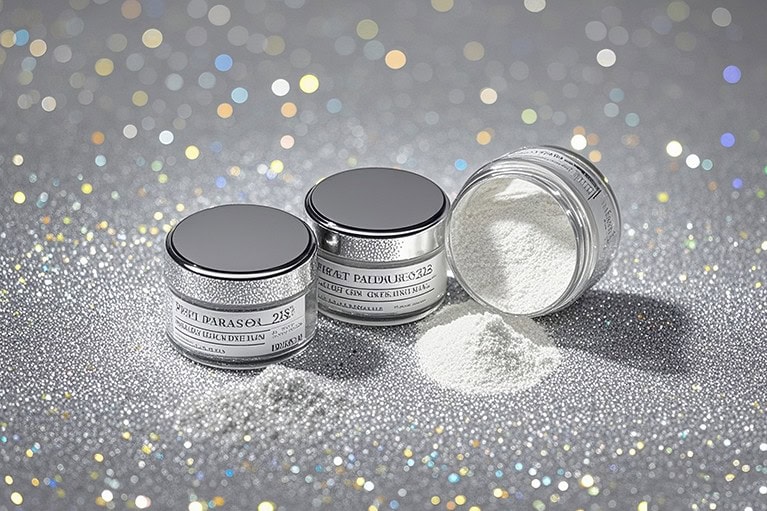
Enhanced Product Appearance: Diamond effect pigments add a unique sparkle and gloss to products, enhancing their appearance and making them more attractive.
Increased Market Competitiveness: The distinctive look of diamond effect pigments gives products a competitive edge in the market. It allows products to stand out and attract consumers’ attention.
Enhanced Product Value: The luxurious and premium appearance created by diamond effect pigments increases the market value of the product. Consumers are often willing to pay higher prices for products with unique and appealing appearances.
Versatility in Applications: Diamond effect pigments are widely used in various industries, such as coatings, plastics, printing inks, and cosmetics. They can be used to add a unique look to products in different fields.
Durability and Stability: Diamond effect pigments have good durability and stability, resisting factors like UV rays, chemicals, and moisture. This helps maintain the bright and shiny appearance over time, reducing the need for frequent maintenance or updates.
Customizability: Diamond effect pigments can be customized to meet different product requirements and designs. They offer a range of colors, finishes, and textures that can be tailored to suit specific customer needs.
How to Choose the Right Diamond Effect Pigment
Choosing the right diamond effect pigment involves several considerations:
Application Requirements: Determine the application where the pigment will be used, such as coatings, plastics, printing, or cosmetics. Understanding the specific requirements of the application will help choose the most suitable pigment.
Color and Appearance: Identify the desired color, sparkle level, and texture you want to achieve with the pigment. There are a range of colors and finishes available, so choose one that matches your requirements.
Durability and Stability: Consider the environment where the pigment will be used and its exposure to factors like UV rays, moisture, and chemicals. Choose a pigment that offers good durability and stability in that environment to ensure long-lasting performance.
Cost and Value: Consider the cost of the pigment and its value in enhancing the product’s appearance and market competitiveness. Balancing cost with the desired outcome is essential to ensure a good return on investment.
Supplier and Quality: Research different suppliers of diamond effect pigments and evaluate their quality, reliability, and customer service. Choose a supplier with a good reputation and reliable products.
Customization and Versatility: If possible, choose a pigment that offers customization options to match specific design requirements or provide a range of colors and finishes. This will offer flexibility in product development.
Conclusion
Understanding the intricacies of diamond effect pigments is crucial for businesses looking to leverage their unique properties. By considering the applications, benefits, and challenges, you can make informed decisions about integrating these pigments into your products.